























When you think about hormonal health, what comes to mind?
Estrogen? Progesterone? Menopause? Maybe those frustrating symptoms like stubborn weight gain, mood swings, breast tenderness, fatigue, or waking up at 3 AM for absolutely no reason.
But what about your liver?
Most people associate the liver with alcohol, digestion, or detoxification. What many don't realize is that your liver also plays an incredibly important role in hormonal health.
Your liver helps process hormones after they've done their jobs, supports blood sugar regulation, participates in fat metabolism, and produces proteins that influence how hormones circulate throughout your body.
And here's where things get interesting.
Your liver influences your hormones, but your hormones also influence your liver.
That relationship becomes especially important for women navigating perimenopause, menopause, and other hormonal transitions.
Let's explore why this connection deserves far more attention.
Your Liver Does So Much More Than Detox
Your liver is one of the hardest-working organs in your body, performing hundreds of essential functions every single day.
It helps:
- Process and metabolize hormones, including estrogen
- Break down medications, alcohol, and other substances
- Produce bile to support fat digestion
- Store and release glucose to help regulate blood sugar
- Process fats and cholesterol
- Store important vitamins and minerals
- Produce proteins involved in hormone transport
Your liver is constantly processing substances your body produces internally, along with substances that enter from the outside world.
Hormones are part of that workload.
When we talk about supporting liver health, we're talking about supporting an organ involved in everything from digestion and energy to metabolism and hormonal regulation.
The Estrogen Connection: Why Your Liver Matters
Estrogen is often described as a reproductive hormone, but its influence extends far beyond your menstrual cycle.
It helps regulate bone health, cholesterol metabolism, brain function, reproductive tissues, and numerous other processes throughout the body.
But estrogen isn't supposed to circulate indefinitely.
Once estrogen has performed its functions, your body needs to metabolize and eliminate it appropriately.
Your liver plays a central role in this process.
How Estrogen Metabolism Works
Your liver uses a series of enzyme-driven processes to transform estrogen into metabolites that can eventually leave the body.
This happens through two major stages commonly discussed in hormone metabolism.
Phase I: Transformation
Liver enzymes, including members of the cytochrome P450 family, begin transforming estrogen into different metabolites.
Some of these metabolites have different biological activities, which is one reason estrogen metabolism is more complicated than simply having too much or too little estrogen.
Phase II: Conjugation
The liver further processes estrogen metabolites through pathways such as glucuronidation, sulfation, and methylation.
These processes help prepare metabolites for elimination through bile or urine.
Your body relies on nutrients, enzymes, and normal liver function to carry out these steps.
And Then Comes Your Gut
Once estrogen metabolites enter bile and travel into the intestines, your digestive system becomes part of the story.
Some intestinal bacteria produce an enzyme called beta-glucuronidase, which can remove the chemical groups attached during glucuronidation.
This can allow certain estrogen compounds to be reabsorbed rather than eliminated.
Researchers refer to the collection of gut microbes and their genes involved in estrogen metabolism as the estrobolome.
It's a fascinating example of how closely connected your liver, gut, and hormonal systems really are.
Your digestive health isn't separate from your hormonal health. These systems are constantly communicating.
What Happens When Estrogen Metabolism Changes?
You've probably heard the term estrogen dominance in holistic wellness conversations.
It's commonly used to describe a situation where estrogen activity is relatively high compared with progesterone activity.
But estrogen balance is more complex than one hormone being high and another being low.
Estrogen production, progesterone levels, hormone receptor sensitivity, liver metabolism, body fat, and intestinal processing can all influence how hormones behave.
Women may notice symptoms such as:
- Breast tenderness
- Bloating and fluid retention
- Heavy or irregular menstrual cycles
- Mood changes and irritability
- Headaches around their menstrual cycle
- Changes in sleep
- Increased menstrual discomfort
These experiences can occur for several reasons, including the natural hormonal fluctuations of perimenopause.
The important connection is that hormone balance depends on more than hormone production alone.
How your body processes and eliminates hormones matters, too.
And that's one reason liver health deserves a place in conversations about women's wellness.
Perimenopause, Menopause, and Your Liver
Perimenopause is often described as a time when estrogen declines.
But that doesn't tell the whole story.
During perimenopause, estrogen levels can fluctuate dramatically. Progesterone production also changes as ovulation becomes less consistent.
Eventually, menopause brings a sustained reduction in ovarian estrogen production.
These changes affect more than reproductive health.
Estrogen influences how the body stores fat, responds to insulin, and regulates lipid metabolism.
As estrogen levels decline, women may experience changes in body composition, including increased abdominal fat and greater susceptibility to insulin resistance.
Those metabolic changes can influence the liver.
Research has identified important relationships between menopause, declining estrogen levels, and metabolic dysfunction-associated steatotic liver disease, or MASLD, the condition previously commonly called nonalcoholic fatty liver disease.
The relationship works in both directions: hormonal changes can influence liver metabolism, while liver function helps regulate circulating hormones and their metabolites.
This is why a whole-body approach to women's wellness makes so much sense.
Instead of thinking about hormones as an isolated system, we need to consider the organs and processes supporting them.
The Liver, Blood Sugar, and That Midafternoon Crash
Ever feel like you hit a wall around 2 or 3 PM?
Or find yourself reaching for something sweet because your energy has completely disappeared?
Your liver plays an essential role in maintaining blood sugar between meals.
When you eat, your body can store some glucose in the liver as glycogen.
Between meals, your liver releases glucose to help maintain a steady supply of energy.
It can also manufacture glucose through a process called gluconeogenesis.
These functions are regulated by hormones, including insulin and glucagon.
Estrogen also influences insulin sensitivity and metabolic regulation.
This creates another connection between hormonal transitions and how women experience energy, hunger, and metabolic changes.
Supporting balanced blood sugar through regular meals, adequate protein, fiber, physical activity, and healthy sleep habits benefits both metabolic and liver health.
Your Liver and Thyroid Hormones Are Connected, Too
Estrogen isn't the only hormone influenced by liver function.
Your thyroid produces hormones that regulate metabolism, body temperature, energy use, and many other essential processes.
The thyroid releases mostly thyroxine, known as T4, along with smaller amounts of triiodothyronine, or T3.
T3 is the more biologically active form, and much of the body's T3 is produced by converting T4 in tissues outside the thyroid.
The liver participates in thyroid hormone conversion, metabolism, and clearance.
Thyroid hormones also influence liver function, including cholesterol processing and fat metabolism.
It's another example of the body's interconnected systems.
Fatigue, changes in body temperature, constipation, dry skin, and changes in weight are often discussed in relation to thyroid function, but they can overlap with many other metabolic and hormonal changes.
Looking at wellness through a whole-body lens helps us understand why supporting one system can have implications for others.
What About Everyday Toxin Exposure?
Your liver is constantly working to process substances from both inside and outside your body.
These include naturally produced metabolic byproducts as well as environmental compounds encountered through food, air, household products, and personal care items.
Different compounds are processed through different pathways, and the liver works alongside the kidneys, digestive tract, lungs, and other systems involved in elimination.
This is one reason we're passionate about being intentional with the products we bring into our homes and put on our bodies.
Supporting wellness isn't just about what you add to your routine.
It's also about being mindful of unnecessary exposures and supporting the systems your body already uses every day.
How to Naturally Support Your Liver and Hormonal Health
Your liver already has sophisticated systems for processing hormones and other compounds. Supporting those systems starts with consistent habits.
1. Eat Foods That Support Normal Liver Function
Cruciferous vegetables such as broccoli, Brussels sprouts, cauliflower, cabbage, and kale provide fiber and plant compounds involved in normal cellular defense and metabolism.
Colorful vegetables, berries, herbs, and other plant foods provide antioxidants and a variety of beneficial phytonutrients.
Protein supplies amino acids used throughout the body, including in the production of enzymes and compounds involved in metabolism.
2. Don't Overlook Fiber
Fiber supports regular bowel movements, gut microbial health, and normal digestive function.
Because some estrogen metabolites are eliminated through bile and stool, the digestive system plays a meaningful role in hormone processing.
Vegetables, beans, lentils, chia seeds, flaxseed, and whole grains are excellent ways to increase fiber intake.
3. Support Healthy Blood Sugar
Balanced meals containing protein, fiber, and healthy fats can help maintain steadier energy and support metabolic health.
Walking after meals and regular resistance training also support insulin sensitivity.
These habits become especially valuable as women's metabolic needs change through midlife.
4. Move Your Body and Prioritize Sleep
Physical activity supports liver fat metabolism, insulin sensitivity, and overall metabolic health.
Sleep also plays an important role in hormonal signaling, appetite regulation, and glucose metabolism.
Consistency matters more than perfection.
5. Pay Attention to Your Gut
A diverse gut microbiome participates in digestion and the metabolism of numerous compounds, including certain hormone metabolites.
Fiber-rich plant foods, fermented foods, and overall dietary variety can help support a healthy intestinal environment.
6. Build a Thoughtful Holistic Wellness Routine
Nutrition, movement, sleep, stress management, and intentional product choices create a foundation for long-term wellness.
Botanical and nutritional products can be part of that routine when selected for their ingredients and intended purpose.
The goal isn't to force the body into balance overnight. It's to give its interconnected systems the support they need to function well.
Supporting Your Liver and Hormones With No Crap In It
At No Crap In It, we believe in supporting the body as a whole.
Hormonal wellness isn't just about estrogen and progesterone. It's also about supporting the liver, maintaining healthy blood sugar, nourishing the body, and navigating the hormonal changes that come with different stages of life.
That's why we offer natural supplements and botanical products designed to support these interconnected systems.
K&L — Kidney & Liver Health
Our K&L Super Blend is specifically formulated to support kidney and liver health, two organs essential to your body's natural detoxification processes.

Its botanical blend includes:
- Organic milk thistle for liver health
- Dandelion root for kidney function and fluid balance
- Hibiscus flower for liver support
- Organic marshmallow root for urinary tract support
- Organic fennel seed for digestive comfort
Because the liver is directly involved in estrogen metabolism, K&L is a natural starting point for a liver-focused wellness routine.
Detox Super Blend
Our Detox Super Blend is designed to support natural detoxification, renewed energy, and healthy metabolism.

This supplement is especially relevant to women who want to focus on their body's everyday elimination and metabolic processes.
The formula is designed for natural detoxification support and energy without the jitters, making it a complementary option alongside a liver-conscious wellness routine.
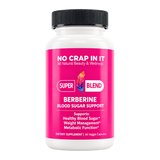
Berberine Blood Sugar Support
Remember our discussion about the liver, insulin sensitivity, and blood sugar regulation?
That's exactly where Berberine comes in.

Our formula contains three key ingredients:
- Berberine (400 mg): Supports insulin sensitivity, healthy glucose metabolism, and the body's metabolic signaling pathways.
- Ceylon cinnamon (400 mg): Supports healthy blood sugar regulation and the body's response to carbohydrates.
- Fenugreek (400 mg): Supports digestion, appetite management, and glucose metabolism.
Berberine is especially relevant to women experiencing metabolic changes during perimenopause and menopause, when insulin sensitivity, body composition, and blood sugar regulation may shift.
For women dealing with sugar cravings, afternoon energy crashes, and stubborn weight changes, supporting metabolic health is an important piece of the bigger hormonal wellness picture.
Primal Super Blend
Hormonal health depends on more than hormone production. Your body also needs adequate nutrients to support energy metabolism, thyroid function, and normal cellular processes.

Our Primal delivers whole-food nutrition through three grass-fed organ ingredients:
- Beef liver: Provides vitamin A, B12, and iron to support energy production and nutritional wellness.
- Beef kidney: Provides selenium and B12, nutrients involved in normal metabolic function.
- Beef heart: Supplies CoQ10 and amino acids that support cellular energy and cardiovascular wellness.
Primal is particularly relevant to the thyroid, fatigue, and energy discussions in this article.
Rather than relying solely on isolated nutrients, Primal provides nutrition from whole-food organ sources, making it a foundational option for women looking to nourish their bodies through hormonal transitions.
Revive Super Blend
Our Revive takes a broad approach to daily wellness, supporting energy, thyroid health, digestion, cognition, and metabolism.

It combines three natural ingredients:
- Shilajit: Supports energy, cognitive function, memory, and immune wellness.
- Organic bladderwrack: Supports thyroid function, hormonal wellness, skin, and joint health.
- Organic Irish sea moss: Supports digestion, gut health, and healthy metabolism.
Since thyroid hormones and liver metabolism are closely connected, Revive fits naturally into this discussion.
It's an option for women interested in supporting several interconnected areas of wellness, particularly thyroid function, energy, and metabolic health.
Womanhood Super Blend
Our Womanhood was created specifically to support women through the hormonal changes that occur throughout life.

Its three botanical ingredients are:
- Organic moringa: Provides vitamins, minerals, and antioxidants while supporting energy and metabolism.
- Organic ashwagandha: Traditionally used to support stress management, relaxation, and emotional wellness.
- Organic maca: Supports stamina, vitality, mood, and women's hormonal wellness.
Hormonal fluctuations can affect energy, mood, stress responses, and overall well-being.
Womanhood offers a botanical approach to supporting these areas, making it a natural addition to a holistic women's wellness routine.
Wild Yam — Butter and Belly Oil
Wild yam has been used traditionally in women's wellness for generations, particularly during menstrual changes and menopause.
No Crap In It offers two topical options.
Wild Yam Body Butter combines wild yam with milk thistle, lavender, frankincense, clary sage, and ylang-ylang in a nourishing butter made with coconut oil, shea butter, sweet almond oil, jojoba oil, and beeswax.

It's designed for topical botanical self-care during hormonal transitions.
Wild Yam Belly Oil combines wild yam with castor oil, three forms of magnesium—glycinate, citrate, and sulfate—and calming essential oils.

It's designed for abdominal massage and a relaxing daily or evening self-care routine.
Both products bring together traditional botanical ingredients and nourishing topical formulations for women who enjoy incorporating natural wellness rituals into their routines.
Explore these products and more at nocrapinit.com
The Bigger Picture: Your Hormones Don't Work Alone
It's easy to focus on individual symptoms.
We blame fatigue on being busy, changes in weight on getting older, and unpredictable moods on hormones.
But the body doesn't operate as a collection of isolated parts.
Your liver communicates with your digestive system. Your gut influences the processing of certain hormones. Your hormones influence how your body stores fat and uses energy. Your thyroid and liver participate in each other's metabolic functions.
Everything is connected.
And understanding those connections gives us a much more complete picture of women's wellness.
Supporting hormonal health isn't only about the hormones themselves. It's also about supporting the systems that produce, transport, metabolize, and eliminate them.